
Have you ever read a book about someone’s life? It is called a biography. Books use words to tell these stories. But did you know you can also tell a life story without saying a single word? This is called a Biography Dance. It is a special kind of performance art where dancers use their bodies, music, and rhythm to show real-life events. Instead of reading pages, the audience watches a story unfold through beautiful movement on a stage.
When you watch a biography dance, you see history come alive. A choreographer acts like the author of a book. They choose the best steps, music, and costumes to show who a person was. It takes a lot of skill to share deep feelings without speaking. Dancers must use their faces and arms to show happiness, sadness, or bravery. This makes the performance feel very real and exciting for everyone watching in the theater.
Quick Facts About Biography Dance Features
| Feature | What It Means | Why It Matters |
| Main Purpose | Tells a true life story | Helps us understand history |
| Key Element | Expressive body movement | Replaces spoken words completely |
| Music Choice | Matches the person’s real life era | Sets the perfect mood for the story |
| Costumes | Look like real historical clothes | Makes the performance look authentic |
| Choreography | Planned steps that show emotions | Guides the audience through the timeline |
Export to Sheets
What Exactly Is a Biography Dance?
A biography dance is a theatrical show that honors a real person. It focuses on their struggles, wins, and big moments. For example, a dance might show how a poor child worked hard to become a famous athlete. The dancers do not just do random flips or spins. Every single leap and turn has a special meaning behind it. It is like a living history lesson that moves to a musical beat.
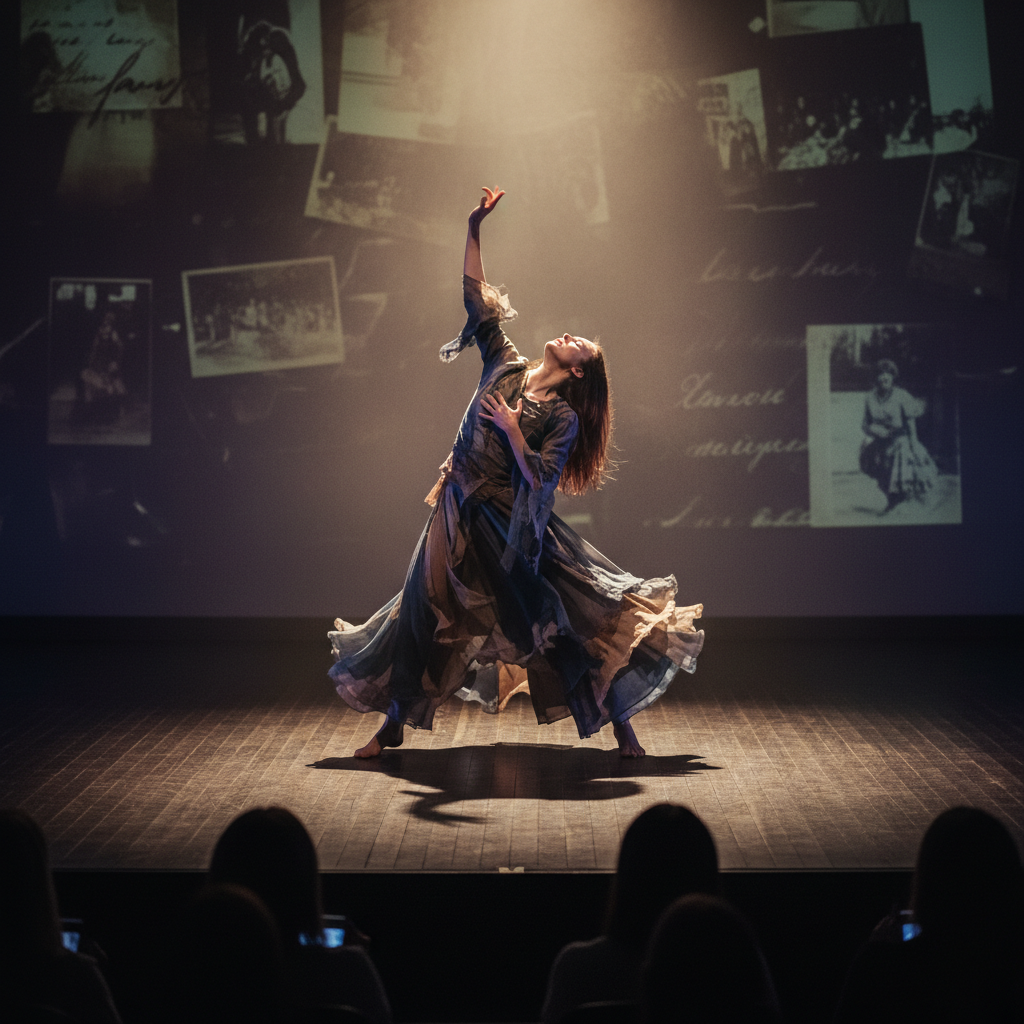
To make a great biography dance, artists must do a lot of research. They read old letters, look at pictures, and listen to old music. This helps them understand the person’s true spirit. When the performance starts, the audience can feel those real emotions. It bridges the gap between historical facts and human feelings in a way that regular books sometimes cannot do.
How Choreographers Build a Story on Stage
Creating a biography dance is like putting a big puzzle together. The choreographer is the leader of the project. First, they pick the most important parts of the person’s life. They cannot show every single day, so they focus on the big turning points. These might be moments of great joy, like winning an award, or moments of sadness, like losing a best friend.
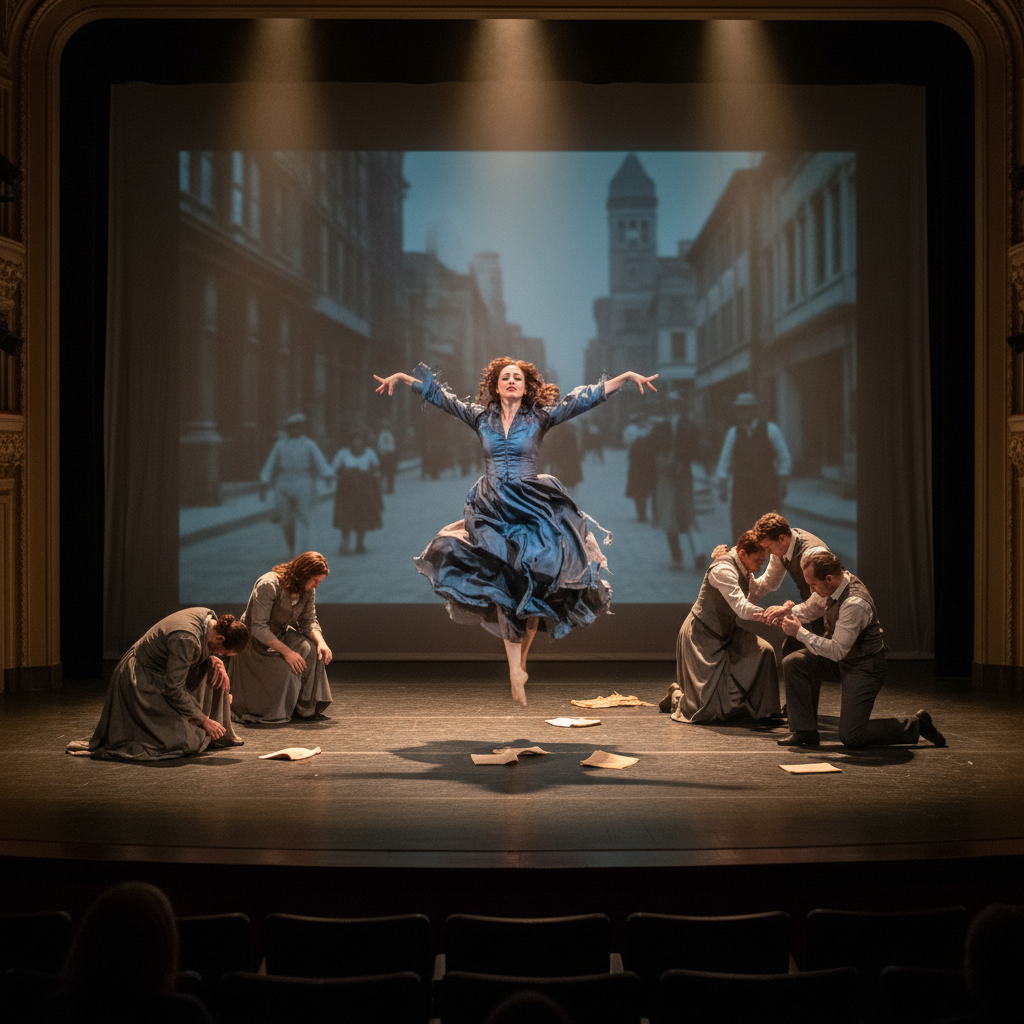
Next, the choreographer turns those moments into physical movement. If the character is feeling trapped, the dancer might move in small, tight circles. If the character wins a victory, the dancer might leap high into the air. This careful planning ensures the biography dance makes sense from start to finish. It keeps the audience glued to their seats because they want to know what happens next in the story.
The Secret Power of Expressive Movement
Why do we love watching a biography dance so much? The secret is in the human body’s power to show feelings. We all know what a sad face looks like, and we know how a happy jump feels. Dancers use these natural signs and make them bigger and more artistic. They use contemporary dance styles to break traditional rules and show raw, honest human emotions.
In a biography dance, even a small gesture matters. A slow tilt of the head can show that a character is thinking deeply. A sudden drop to the floor can mean they feel defeated. When I watch these shows, I am always amazed by how much I can understand without a script. It proves that movement is a universal language that anyone can understand, no matter where they are from.
Famous Examples of Life Stories in Dance
There are many amazing examples of a biography dance in modern history. Many famous ballet companies create entire shows about kings, queens, or artists. For instance, some dances tell the tragic story of the painter Vincent van Gogh. The dancers use sharp, wild movements to show how his mind worked while he painted his famous masterpieces.
Another great biography dance might celebrate a leader like Martin Luther King Jr. In this kind of show, the movements are strong, proud, and full of hope. The dancers move together in large groups to show teamwork and community strength. These performances help keep the memory of important people alive for younger generations who might not enjoy reading long history textbooks.
Why Music is the Heartbeat of the Story
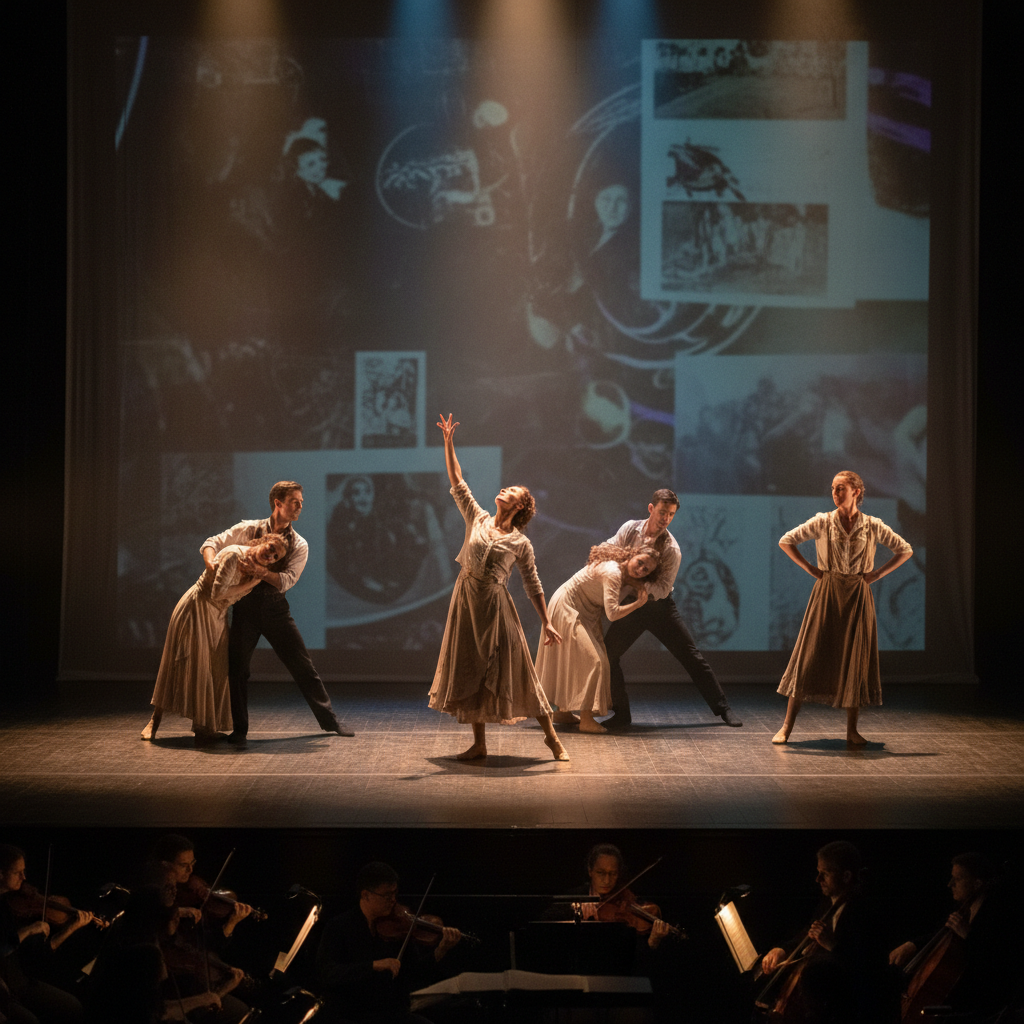
You cannot have a great biography dance without the perfect soundtrack. Music tells our ears what our eyes are about to see. If the dance is about a scientist from the 1700s, the music will likely feature classical violins and pianos. If the story is about a modern jazz musician, the stage will come alive with trumpets and loud drums.
The music also helps the dancers keep time during the biography dance. It tells them when to move fast and when to slow down. When the music and the movement match perfectly, magic happens on stage. The audience feels a goosebump moment because the sound and the sight combine into one powerful wave of human emotion.
Costumes and Lights: Making History Real
Imagine trying to watch a biography dance about an ancient Egyptian queen, but the dancer is wearing modern blue jeans. It would feel very strange and confusing! That is why costumes are super important. Costume designers work hard to make clothes that look historical but are still safe and stretchy enough for big dance leaps.
Lighting is another secret weapon in a biography dance. Bright yellow lights can make the stage feel like a sunny, happy childhood home. Dark blue or purple lights can make the stage look like a cold, lonely night. These visual tools help the audience understand the setting instantly. It allows the dancers to focus entirely on their performance art without worrying if the crowd is lost.
The Hard Work and Training of the Dancers
Being the star of a biography dance is a massive job. The main dancer cannot just be good at technique. They also have to be excellent actors. They must study the real person they are playing on stage. If the person walked with a limp, the dancer must learn how to dance safely with that same habit.
Dancers practice for many hours every day to prepare for a biography dance. They stretch their muscles, practice their balance, and memorize long routines. It takes a lot of physical strength and mental focus. When you see them smiling on stage, remember that they have worked for months to make those difficult steps look totally effortless.
How This Art Form Connects People Together
A biography dance does something special that a movie cannot always do. It happens live, right in front of your eyes. There are no edits, no green screens, and no second chances. If a dancer falls, they must get right back up and keep going. This live energy creates a strong bond between the performers and the crowd.
This connection makes a biography dance highly memorable. You are sharing a room with hundreds of other people, all feeling the same emotions at the exact same time. It teaches us empathy by letting us step inside someone else’s life journey for an hour or two. It reminds us that we all share the same basic human feelings of love, fear, and hope.
Why Schools and Museums Love Narrative Dance
More and more schools are using biography dance to teach children about historical figures. It is a fantastic way to engage students who learn better by watching and doing rather than reading. Instead of memorizing dates from a whiteboard, kids can watch a short performance about a famous historical hero.
Seeing a biography dance can inspire young people to try dancing themselves. It shows them that dance is not just about looking pretty or winning competitions. It is a powerful tool for sharing ideas and telling important stories. It opens up a whole new world of creativity for children who want to express themselves in unique ways.
The Bright Future of Biographies on Stage
As technology gets better, the world of biography dance is changing too. Today, some shows use big digital screens behind the dancers. These screens can show real photos or videos of the person the dance is about. This blends real history with live performance art in a very cool way.
Even with fancy new technology, the core of a biography danceCode will always remain the same. It will always be about the beauty of the human body telling a true story. As long as humans love stories and music, artists will continue to create these beautiful tribute shows. It is a timeless art form that will continue to grow and inspire people for years to come.
Summary of the Creative Process
[Historical Research] ➔ [Picking Key Life Events] ➔ [Creating Dance Steps] ➔ [Adding Music & Costumes] ➔ [Live Stage Performance]
Conclusion
A biography dance is much more than a simple theater show. It is a beautiful celebration of human life, history, and emotion told through the power of rhythm. It takes the dry facts from history books and turns them into a living, breathing work of art.
Next time you want to learn about a famous person, look for a performance near you. Watching a biography dance live is an experience you will never forget. It might even inspire you to move your own body and tell your own unique story to the world!
Frequently Asked Questions
Can a biography dance tell the story of anyone?
Yes! A biography dance can be created for any person in history. It can honor famous kings, brave scientists, creative artists, or even ordinary local heroes. The only requirement is that the person has a compelling life story full of emotions that can be translated into movement.
Do the performers talk or sing during the show?
Usually, no. Most biography dance shows rely entirely on instrumental music, sound effects, and body language. This silent storytelling makes the show unique, forcing the audience to focus closely on the expressions, gestures, and rhythms used by the dancers.
What dance styles are used in these performances?
Choreographers use many different styles depending on the story. You might see classical ballet for older historical stories, or modern contemporary dance for deeper emotional themes. Sometimes, hip-hop or traditional folk dances are included if they match the person’s real-life culture.
How long does it take to create a biography dance?
It often takes many months, or even a full year, to build a show from scratch. The creators must spend weeks researching history, choosing the right music, designing costumes, and teaching the complicated steps to the entire group of dancers.
Is this type of show suitable for young children?
Absolutely! Since these shows use bright lights, beautiful music, and exciting movements, they are great for kids. It is an excellent way to introduce children to history and theater art without them getting bored by long speeches or heavy reading.
Where can I go watch a live biography dance?
You can find these performances at local community theaters, large city ballet companies, or school art festivals. Many museums also host short dance events during special historical exhibitions or cultural holiday celebrations.